Thiy Parks is the managing editor of Binamu and a writer, cultural documentarian, and story-keeper devoted to exploring the intersections of Black art, memory, migration, and everyday life across the diaspora.
A strange thing is happening in the middle of one of the most technologically advanced eras in modern history: people are slowing down on purpose. You can see it in the resurgence of vinyl records and DVDs. You can hear it in the warm crackle of cassette tapes and analog synthesizers. You can taste it in the revival of heritage recipes, homemade bread, preserved foods, and meals prepared the way grandparents once taught from memory instead of measurement. You can feel it in the growing number o
Thiy Parks
In 2018, my nana and I decided we were finally going to sit down and figure out who our people were. What started as a simple family tree quickly turned into census records, old photographs, phone calls to elders, and the kind of discoveries that can change how you see yourself. Genealogy is beautiful work, but it can also feel deeply overwhelming at first. Someone dies and suddenly nobody remembers Big Mama’s maiden name. An elder mentions “the cousins in South Carolina” nobody talks to anymore
Thiy Parks
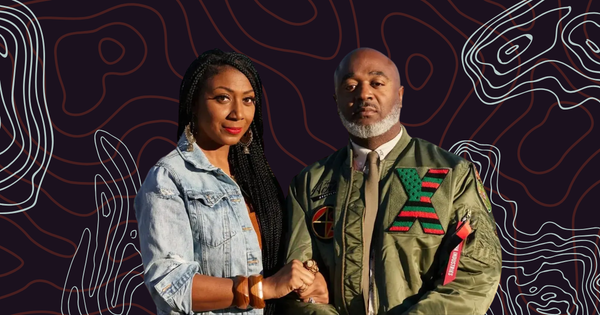
When Arianne Edmonds speaks about lineage, her voice carries both urgency and reverence. A fifth-generation Angeleno, writer, and memory worker, she has made it her life’s work to piece together the fragments of stories often scattered, suppressed, or left to gather dust on family shelves. That work comes to life in her debut book, We Now Belong to Ourselves (Oxford University Press, 2025), a blend of memoir, archival storytelling, and cultural analysis. The book takes its title from a phrase h
Thiy Parks