Shh... Quiet on the Creek! The African Diaspora Has Been in the Same Group Chat for 400 Years. It's Called Black Music.

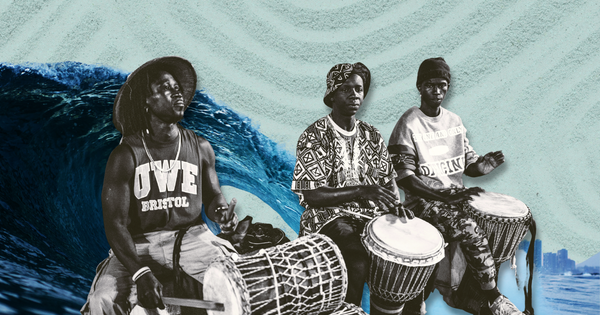
Shh... Quiet on the Creek! The African Diaspora Has Been in the Same Group Chat for 400 Years. It's Called Black Music.

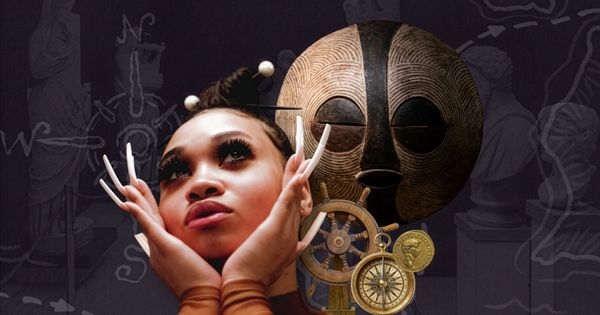
Have you ever wondered what connects a crowded club in Lagos to a basement party in London; a block party in Brooklyn, and a samba circle in Salvador, Bahia? It is the syncopated heartbeat of the African diaspora. While the transatlantic slave trade systematically stripped millions of displaced Africans of their languages, families, and tangible histories, it could not deafen their internal rhythm. Over generations, Black Americans converted our shared trauma into jazz, blues, gospel, R&B, and


Thiy Parks

Thiy Parks

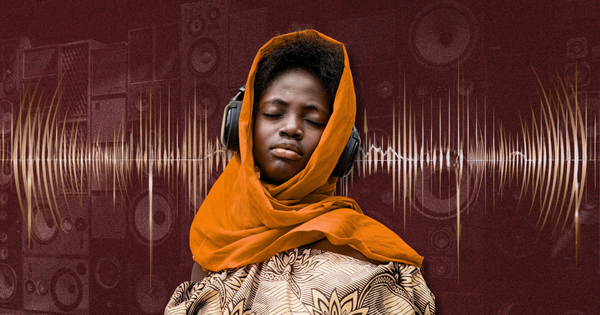
With Anti-DEI on the Rise, It's Time to Teach Black Kids to Read Between the Bars of Black Music

With Anti-DEI on the Rise, It's Time to Teach Black Kids to Read Between the Bars of Black Music

For generations, Black music has operated as more than the soundtrack for celebration or a vessel for grief; it has functioned as an active, living archive of African American history. Spirituals coded with messages between enslaved Africans mapped literal escape routes out of plantation bondage to the intricate sonic tapestries of modern hip-hop and neo-soul, the music has carried an encrypted language.  It is a brilliant strategy of survival and self-sovereignty—a way to speak freely right in

Thiy Parks
Thiy Parks

Read More

Explore our archive of articles, interviews, and creative projects

The Anti-Algorithm Movement Is Here—and It Looks a Lot Like Your Grandparents' House
Digital Collage by Jessica E. Boyd. Photo by Julian Myles / Unsplash

The Anti-Algorithm Movement Is Here—and It Looks a Lot Like Your Grandparents' House

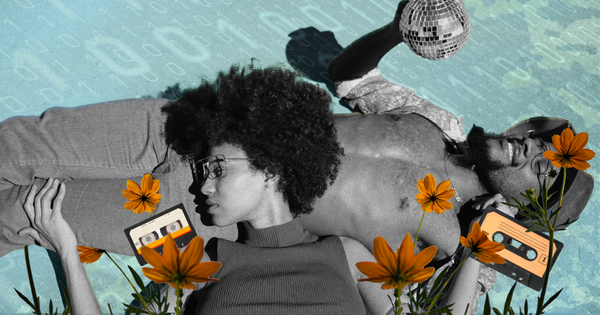
A strange thing is happening in the middle of one of the most technologically advanced eras in modern history: people are slowing down on purpose. You can see it in the resurgence of vinyl records and DVDs. You can hear it in the warm crackle of cassette tapes and analog synthesizers. You can taste it in the revival of heritage recipes, homemade bread, preserved foods, and meals prepared the way grandparents once taught from memory instead of measurement. You can feel it in the growing number o


Thiy Parks

Thiy Parks

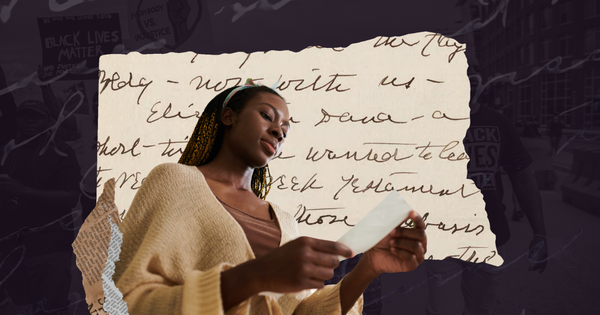
Thousands of Black Folks Are Uncovering Their Family Histories—Here's How They Start
Image by Binamu

Thousands of Black Folks Are Uncovering Their Family Histories—Here's How They Start

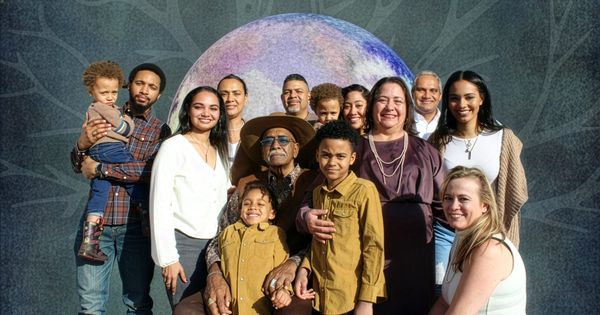
In 2018, my nana and I decided we were finally going to sit down and figure out who our people were. What started as a simple family tree quickly turned into census records, old photographs, phone calls to elders, and the kind of discoveries that can change how you see yourself. Genealogy is beautiful work, but it can also feel deeply overwhelming at first. Someone dies and suddenly nobody remembers Big Mama’s maiden name. An elder mentions “the cousins in South Carolina” nobody talks to anymore


Thiy Parks

Thiy Parks

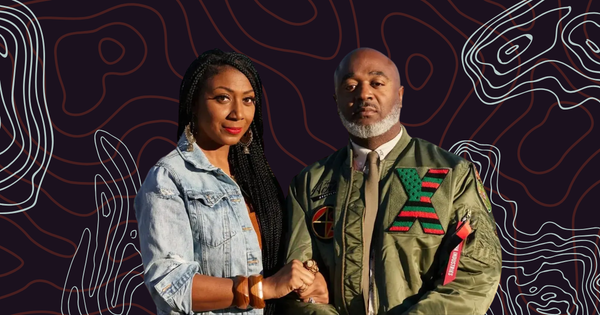
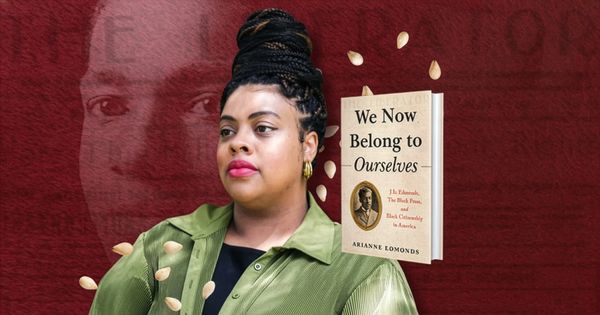
Arianne Edmonds on Black Lineage, Narrative Repair, and 'We Now Belong to Ourselves'
Digital Collage by Jessica E. Boyd; Images courtesy of Arianne Edmonds

Arianne Edmonds on Black Lineage, Narrative Repair, and 'We Now Belong to Ourselves'

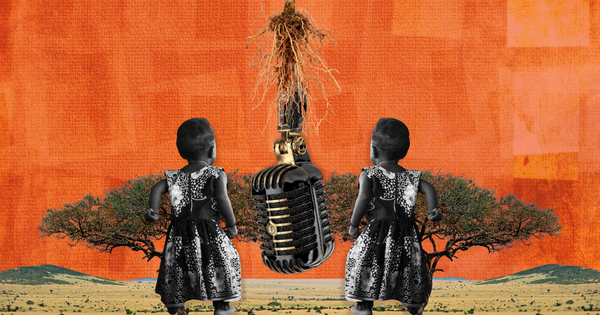
When Arianne Edmonds speaks about lineage, her voice carries both urgency and reverence. A fifth-generation Angeleno, writer, and memory worker, she has made it her life’s work to piece together the fragments of stories often scattered, suppressed, or left to gather dust on family shelves. That work comes to life in her debut book, We Now Belong to Ourselves (Oxford University Press, 2025), a blend of memoir, archival storytelling, and cultural analysis. The book takes its title from a phrase h


Thiy Parks

Thiy Parks

Be the first to know

Join our community and get notified about upcoming stories

Subscribing...
You've been subscribed!
Something went wrong