A strange thing is happening in the middle of one of the most technologically advanced eras in modern history: people are slowing down on purpose.
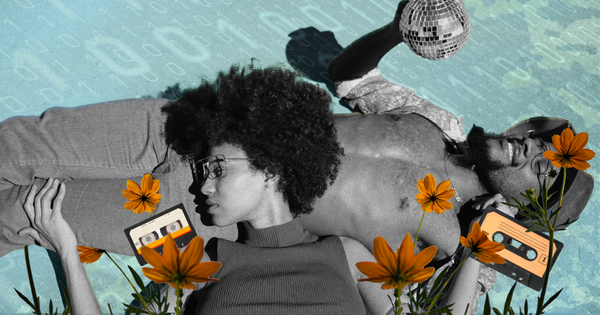
You can see it in the resurgence of vinyl records and DVDs. You can hear it in the warm crackle of cassette tapes and analog synthesizers. You can taste it in the revival of heritage recipes, homemade bread, preserved foods, and meals prepared the way grandparents once taught from memory instead of measurement. You can feel it in the growing number of people who are choosing community gatherings, hobby clubs, and intentional creative spaces over isolated scrolling.
Even major companies are paying attention. Earlier this year, Maxell released a new cassette player, signaling that analog listening is no longer just the domain of collectors and audiophiles. The move reflects a broader cultural shift away from disposable digital consumption and toward experiences that feel tangible, intentional, and rooted in memory.
For many Black Americans especially, this return to physical media and heritage practices is not simply about nostalgia. It also centers preservation and ownership. It is about reconnecting with traditions, rituals, and ways of living that feel human in an era increasingly shaped by algorithms and convenience culture.
Streaming platforms can remove films overnight. Entire music catalogs can disappear depending on licensing agreements. Recipes become condensed into 30-second clips designed more for engagement than instruction. Social media feeds flatten culture into trends that move so quickly many people barely have time to absorb them before the next thing arrives. The origin of things is understated or incorrectly attributed to Gen Z.
Physical media asks something different of us. Heritage practices do too. They ask us to sit with things a little longer.
The Fatigue of Ultra-Processed Digital Living
For years, convenience has been marketed as the ultimate goal. Groceries arrive at the door with a tap. Music lives inside playlists generated by algorithms. Television rotates endlessly through streaming services. Artificial intelligence can now generate essays, artwork, voices, and entire visual campaigns in seconds. Somewhere along the way, many people started realizing they were surrounded by content while feeling disconnected from culture itself.
The rise of “ultra-processed digital living” has created a strange contradiction. People are more connected online than ever before while simultaneously craving experiences that feel slower, tactile, and grounded in real life. Younger generations who grew up fully immersed in digital culture are now rediscovering activities that require patience and participation. Record collecting, film photography, sewing, gardening, mending clothes, cooking from scratch, burning CDs, thrifting furniture, and preserving family recipes have all seen renewed interest following the Coronavirus pandemic.
Ownership has become part of the conversation too. Streaming offers access, but access is not the same as possession. A vinyl record on a shelf cannot disappear because a licensing deal changed. A handwritten recipe card cannot be erased by a platform shutdown. A DVD collection does not require a monthly subscription fee to continue existing.
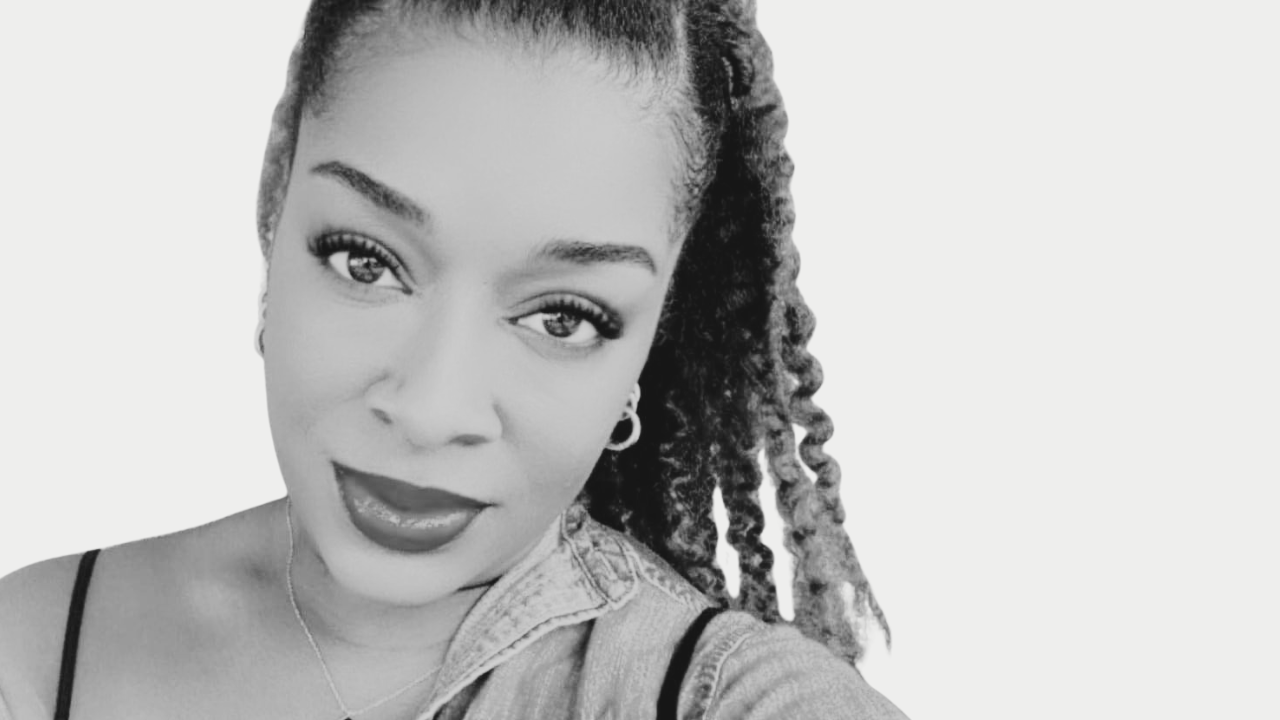
As a multi-faceted artist who makes a point to release her music in physical formats, Suzi Analogue sees physical media as deeply tied to preservation and cultural memory.

“Streaming can feel fleeting; music appears in an endless scroll and disappears into the algorithm,” she shared with Binamu. “A physical release exists in real space. It carries artwork, texture, design, and intention. It becomes something people can live with and hold into their hands.”
Her relationship with analog culture stretches back decades. “Analog formats have always been part of my musical DNA, so this isn’t really a trend for me, it’s a continuation of a lifelong relationship,” she explained. “I’ve been recording music onto cassette since I was around 9 years old, experimenting with sound, making little archives of ideas, and learning through the physicality of tape.” That language of “archives” appears repeatedly in conversations about analog culture. People are documenting memory.
Physical Media as Cultural Preservation
Black communities have always understood the importance of preservation, even when mainstream institutions failed to value Black cultural artifacts in real time. Family photo albums, church programs, home videos, cassette recordings of sermons, cookbooks stained from decades of use, and handwritten phone books all functioned as informal archives long before digital preservation became a buzzword.
Martin also sees everyday storytelling as a critical form of cultural preservation, particularly within Black families.
“We’re so removed from the importance of the griot in history,” she explained. “Because we started to depend on the history written in books, we lost the familial history our elders would share during family gatherings. Listening to your great-aunt talk about the school dance wasn’t just about the dance; it was about knowing every detail of that day, down to the meal her mother made her before the event. The details are what we preserve and what serve us in the future.”
That kind of memory keeping rarely fits neatly into institutional archives, yet it often carries the emotional texture of a family or community more fully than official records ever could.Physical media carries context in ways digital files often cannot. Album liner notes tell stories about producers, musicians, photographers, engineers, and collaborators. Vinyl sequencing creates intentional pacing. Cover art becomes part of the listening experience itself–especially when an artist like Stevie Wonder chooses to include braille on the album cover. Even wear and tear tells a story. A scratched record or faded cassette often reflects love, use, and repeated return.
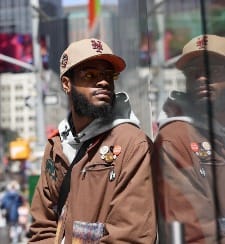
Rapper Willyynova believes that tangibility changes the emotional experience of music entirely.
“Music has a feel to it [that] is hard to replicate, its texture,” he shared with Binamu in a recent conversation. That texture extends beyond sound quality alone. It includes the emotional relationship people build with objects over time.
“Physical media is something that I’ve always valued,” Willyynova explained. “I am [part] of the audience that still desires that commodity, so it’s not far-fetched for me to want my own art presented in that way.”That philosophy carries into his upcoming album Covert Winery, arriving May 22. Willyynova describes the project as “a body of aged precision & poetic taste” and “a personal testament of freedom and growth with grace.” His vinyl release for The Sense God Gave a Goat also remains available for pre-order. He also noted the cultural importance of preserving physical artifacts for future generations. “We rely [on] context and knowledge from the past through relics our ancestors leave us, so these forms of physical knowledge can be preserved and shared for generations if done properly,” he said. That perspective resonates particularly strongly within Black artistic traditions, where so much history has had to survive despite erasure, displacement, and institutional neglect. Physical ownership becomes more than preference under those conditions. It becomes protection.
Suzi Analogue sees her work through that lens as well. “I think a lot about lineage, preservation, and what we leave behind as artists,” she said. “Through [my label] Never Normal Records, I see physical releases as more than merch, they’re artifacts.” Her use of the word “artifacts” feels especially important right now. Cultural artifacts hold memory. They allow future generations to encounter information alongside feeling.
Heritage Practices Are Returning Too
The analog resurgence is not limited to music and media. It is also appearing inside kitchens, gardens, community spaces, and everyday domestic practices.
Black content creators are increasingly documenting older homemaking traditions that many families once considered ordinary survival skills. Creators have built audiences around practices rooted in frugality, intentional living, and community-centered care. Her content often highlights ways to waste less, stretch household resources further, and use every part of what enters the home.
That philosophy feels radically different from the disposable culture dominating much of modern consumerism.For creator and intentional living advocate Amiyrah Martin, that return to slower, more mindful living is about far more than aesthetics or thrift.
“We all gain mental clarity and peace from being more intentional,” Martin shared with Binamu. “Slowing down allows us to be present. Wasting less challenges us to pay attention. Using what you already have encourages us to actually consume instead of collect. It’s moving meditation for an already busy life.”
Her perspective helps explain why so many people are gravitating toward practices that ask them to participate more fully in their own lives rather than simply optimize them for convenience.
Heritage cooking has also become part of the conversation. During Black History Month, Wick'd Confections created a series highlighting Black recipes and food traditions that have quietly faded from mainstream visibility. The series resonated with viewers who recognized pieces of their own family histories inside dishes many had not seen discussed publicly in years.
These practices are often framed online as aesthetic trends, yet many of them emerged from necessity long before social media discovered them. Saving bacon grease, repurposing leftovers, preserving vegetables, mending clothes, sharing ingredients with neighbors, and relying on community networks were all forms of practical wisdom passed through generations.
Many younger people are now rediscovering that wisdom in the middle of economic uncertainty, burnout, and rising living costs.
Cooking from scratch can certainly save money. Growing herbs on a windowsill can reduce grocery costs. Learning how to preserve food or repair clothing can stretch resources further. The deeper appeal seems to go beyond economics though. These practices restore a sense of participation in daily life.
A meal prepared slowly often feels emotionally different from one consumed while multitasking through emails and notifications. The same applies to listening to a full album front to back instead of shuffling through disconnected songs. Ritual changes the experience.
Community Is Becoming the Point Again
The return to tangible culture is also changing the way people gather. Across the country, more creatives are building intentional spaces centered around collaboration, conversation, and physical presence. In Phoenix, spaces like Black River House have become gathering points for artists, musicians, and community members looking for connection beyond social media timelines.
That shift feels especially meaningful after years of pandemic isolation and increasingly online lifestyles. Digital spaces can foster community, but many people are realizing they still crave face-to-face interaction, collective creativity, and environments where culture can be experienced in real time rather than simply consumed through screens.Martin believes the growing hunger for in-person connection reflects a broader cultural realization that online interaction alone cannot fully replace physical community.
“Community is something we definitely took for granted once we could create them online,” she shared. “While online communities are important, I think the pandemic showed us that in person community is just as essential. Interestingly, I find the trend of ‘vibes’ also added to craving in-person community. How can you figure out the vibe of a group, activity, or event if you don’t experience it in person? We’re all craving connection that isn’t tied to a screen.”
That craving appears everywhere from local hobby groups to listening parties to community gardens and mutual aid gatherings. People are increasingly searching for spaces where interaction feels embodied rather than purely digital.
Analog culture naturally encourages gathering. Vinyl listening parties require people to physically share space. Film photography clubs create opportunities for collaborative learning. Community gardens encourage resource sharing. Heritage cooking traditions often center around feeding large groups of people. The process itself becomes communal.
Suzi Analogue described analog engagement as a form of ceremony. “There’s also the ritual itself: putting on the tape, dropping the needle, engaging with the sequencing intentionally,” she said. “It becomes immersive instead of passive.”
That distinction may explain why analog culture resonates so strongly right now. Passive consumption dominates modern life. Many people are exhausted by it. Community-centered practices interrupt that passivity. They ask people to contribute attention, time, presence, and care.
The Return to Texture
None of this means technology itself is inherently bad. Most people participating in the analog resurgence still stream music, use smartphones, and exist online daily. The shift is less about rejecting technology entirely and more about reclaiming balance.
People want texture back in their lives. They want objects with weight and memory attached to them. They want recipes passed down through conversation instead of optimized for virality. They want listening experiences that feel immersive instead of disposable. They want spaces where community is built slowly rather than performed publicly for engagement metrics.
Willyynova believes younger audiences can help keep that culture alive if they approach it with genuine curiosity and care.
“I hope that they do it for the enjoyment of every aspect in owning some,” he said. “Enjoy hoarding, trading and selling while creating discourse over your favorite personal connections to the music. That will keep it alive.”
That idea of “personal connection” sits at the center of this larger cultural moment. Physical media and heritage practices slow people down long enough to form attachments. They encourage participation instead of endless consumption. They preserve memory in forms that can be held, shared, inherited, and revisited years later. Tangible living offers something many people did not realize they were missing until they found it again: permanence.